1. Cells: The Basic Unit
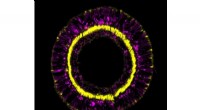
* Cells are the smallest living unit of an organism.
* They perform specific functions like energy production, protein synthesis, and waste removal.
* Examples: Muscle cells, nerve cells, blood cells, etc.
2. Tissues: Groups of Similar Cells
* Tissues are formed when similar cells group together and work in a coordinated way.
* They have a shared structure and function.
* Examples:
* Epithelial tissue: Covers surfaces like skin and lines cavities.
* Connective tissue: Provides support and connects other tissues (e.g., bone, cartilage, blood).
* Muscle tissue: Responsible for movement (e.g., skeletal muscle, smooth muscle, cardiac muscle).
* Nervous tissue: Conducts electrical signals (e.g., brain, spinal cord, nerves).
3. Organs: Groups of Different Tissues
* Organs are composed of multiple tissue types that work together to perform a specific function.
* They have a defined structure and shape.
* Examples:
* Heart: Made of muscle tissue for pumping blood, connective tissue for structure, and nervous tissue for regulation.
* Brain: Composed of nervous tissue for processing information.
* Stomach: Contains muscle tissue for churning food, epithelial tissue for lining, and connective tissue for support.
4. Organ Systems: Interconnected Organs
* Organ systems are groups of organs that work together to carry out a major bodily function.
* Examples:
* Digestive system: Breaks down food (mouth, esophagus, stomach, intestines).
* Circulatory system: Transports blood (heart, blood vessels).
* Nervous system: Controls and coordinates bodily functions (brain, spinal cord, nerves).
In Summary
The relationship between cells, tissues, organs, and organ systems is hierarchical:
* Cells: The fundamental building blocks.
* Tissues: Groups of similar cells with a common function.
* Organs: Groups of different tissues working together for a specific purpose.
* Organ Systems: Interconnected organs that carry out major bodily functions.
This organization allows for complex and coordinated functions within the body, ensuring survival and well-being.