Here's a breakdown of key aspects:
* Vastness: Marine biomes cover about 71% of Earth's surface, making it the largest biome on the planet.
* Saltwater: The defining characteristic is its high salt concentration, typically around 3.5%.
* Varied conditions: Marine environments vary significantly depending on depth, latitude, and proximity to land. This leads to a diverse range of habitats, from coral reefs and kelp forests to the deep ocean.
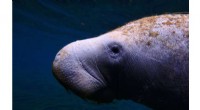
* Diverse life: Marine biomes support a staggering diversity of life, including fish, whales, sharks, dolphins, sea turtles, crustaceans, and countless microscopic organisms.
* Importance: Marine biomes play a crucial role in regulating Earth's climate, providing food and oxygen, and supporting economies through fishing and tourism.
Here are some examples of marine environments within the biome:
* Oceans: The vast expanses of saltwater that cover the planet.
* Seas: Smaller bodies of saltwater that are often partially enclosed by land.
* Coral reefs: Vibrant underwater ecosystems formed by colonies of tiny marine animals called coral polyps.
* Kelp forests: Dense underwater forests formed by large seaweed called kelp.
* Estuaries: Where rivers meet the sea, creating brackish water habitats.
* Mangrove swamps: Coastal wetlands dominated by mangrove trees.
* Intertidal zones: Areas between high and low tides, experiencing frequent changes in water level.
Understanding the unique features and challenges of the marine biome is crucial for conservation efforts and ensuring the health of our planet.