Here's how it works:
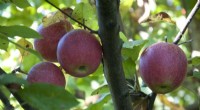
* Variation: Individuals within a population naturally exhibit variation in their traits. This could be anything from physical characteristics like size or color, to behavioral traits like mating strategies or foraging habits.
* Fitness: These traits can affect an individual's fitness, which is its ability to survive and reproduce. Some traits may provide an advantage, increasing an individual's chances of survival and reproduction, while others may be disadvantageous.
* Differential Reproduction: Individuals with traits that enhance their fitness are more likely to survive and reproduce, leaving more offspring. Conversely, individuals with traits that decrease their fitness are less likely to survive and reproduce, leaving fewer offspring.
* Evolutionary Change: Over time, this process of differential reproduction leads to a change in the frequency of traits within a population. Traits that increase fitness become more common, while traits that decrease fitness become less common. This is how evolution happens.
Example:
Imagine a population of rabbits living in a forest. Some rabbits have brown fur, while others have white fur. Brown fur provides camouflage in the forest, making the rabbits less likely to be preyed upon by predators. White fur makes them more visible, increasing their risk of being eaten.
* Variation: Fur color.
* Fitness: Brown fur provides an advantage in survival.
* Differential Reproduction: Brown rabbits are more likely to survive and reproduce, leaving more offspring than white rabbits.
* Evolutionary Change: Over time, the brown fur trait will become more common in the population because it is linked to higher reproductive success.
In summary:
Differential reproduction is the unequal ability of individuals to reproduce based on their traits. It drives natural selection by favoring the spread of traits that increase an individual's fitness, leading to evolutionary change over generations.