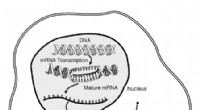
* Messenger RNA (mRNA): This RNA carries the genetic code from DNA in the nucleus to the ribosomes in the cytoplasm, where protein synthesis takes place. It acts as a template for the assembly of amino acids into a protein chain.
* Ribosomal RNA (rRNA): This RNA is a structural component of ribosomes, the cellular machinery that translates mRNA into proteins. It helps to bind mRNA and tRNA and facilitates the formation of peptide bonds between amino acids.
* Transfer RNA (tRNA): This RNA molecules transport specific amino acids to the ribosome, where they are added to the growing polypeptide chain based on the sequence of codons in mRNA. Each tRNA has an anticodon that recognizes a specific codon in mRNA.
So, all three types of RNA - mRNA, rRNA, and tRNA - play crucial roles in the complex process of protein synthesis.