1. Light-Dependent Reactions (Light Reactions):
* Location: Thylakoid membranes within chloroplasts
* Energy source: Sunlight
* Key components: Chlorophyll (pigment that absorbs sunlight), water, and electron transport chain
* Processes:
* Light absorption: Chlorophyll absorbs light energy, exciting electrons to higher energy levels.
* Electron transport chain: Excited electrons move through a series of proteins, releasing energy that is used to generate ATP (adenosine triphosphate) and NADPH (nicotinamide adenine dinucleotide phosphate).
* Water splitting: Water molecules are split, releasing oxygen as a byproduct.
2. Light-Independent Reactions (Calvin Cycle):
* Location: Stroma (fluid-filled space within chloroplasts)
* Energy source: ATP and NADPH produced in the light reactions
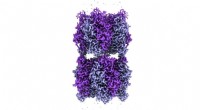
* Key components: Carbon dioxide, RuBisCo enzyme, and organic molecules
* Processes:
* Carbon fixation: Carbon dioxide from the atmosphere is incorporated into an organic molecule (RuBP).
* Reduction: ATP and NADPH are used to convert the fixed carbon into a simple sugar (glucose).
* Regeneration: RuBP is regenerated to continue the cycle.
Overall, photosynthesis can be summarized as follows:
* Sunlight + Carbon dioxide + Water --> Glucose + Oxygen
In simple terms: Plants use sunlight, carbon dioxide, and water to create food (glucose) and release oxygen as a byproduct. This process is crucial for life on Earth, providing food and oxygen for all living organisms.