1. Size: Most biological organisms and structures are too small to be seen with the naked eye. Microscopes allow us to magnify these tiny objects, revealing their intricate details.
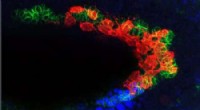
2. Cellular Structure: Microscopes are essential for studying cells, the fundamental building blocks of life. Different types of microscopes, like light microscopes and electron microscopes, allow biologists to visualize the internal structures of cells, including organelles, nuclei, and even DNA.
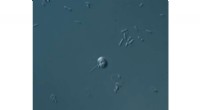
3. Microorganisms: Microscopes are crucial for studying microorganisms, such as bacteria, viruses, and fungi. These organisms are too small to be seen without magnification, and their study is vital for understanding disease, immunity, and environmental processes.
4. Tissue Structure: Histology, the study of tissues, heavily relies on microscopes. By examining thin slices of tissues, biologists can identify different cell types, their arrangement, and the overall structure of organs and systems.
5. Development and Growth: Microscopes allow biologists to study the growth and development of organisms at the cellular level. They can track changes in cell division, differentiation, and tissue formation.
6. Disease Processes: Microscopes are used to diagnose diseases by examining blood cells, tissue biopsies, and other samples. They help identify pathogens, cellular abnormalities, and other indicators of disease.
7. Research and Innovation: Microscopes are essential tools for research in all areas of biology. They enable scientists to explore the inner workings of cells, discover new biological processes, and develop new technologies in fields like medicine and agriculture.
In summary, microscopes are essential for biologists to:
* See what's too small to see with the naked eye
* Understand the structure and function of cells
* Study microorganisms and their role in health and disease
* Analyze tissues and organs
* Investigate development and growth
* Diagnose diseases
* Conduct cutting-edge research