Plants
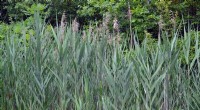
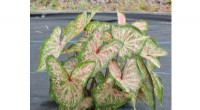
* Nutrition: Plants are autotrophs, meaning they produce their own food through photosynthesis. They use sunlight, water, and carbon dioxide to create sugars (energy).
* Structure: Plants have cell walls made of cellulose, giving them rigidity and structure. They contain chloroplasts, organelles that facilitate photosynthesis.
* Movement: Most plants are stationary. They can exhibit limited movement, such as growth towards light or water, but they don't move independently.
* Reproduction: Plants reproduce through sexual and asexual means. They produce seeds, spores, or can propagate vegetatively.
* Examples: Trees, flowers, grasses, ferns, mosses.
Animals
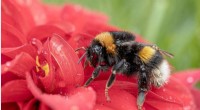
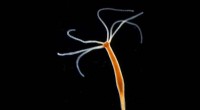
* Nutrition: Animals are heterotrophs, meaning they obtain their energy by consuming other organisms. They need to eat organic matter for survival.
* Structure: Animal cells lack cell walls. They have a diverse range of tissues and organ systems, adapted for specific functions.
* Movement: Animals are generally mobile and have developed specialized structures for locomotion, like legs, wings, or fins.
* Reproduction: Animals reproduce primarily through sexual reproduction. They typically have a defined life cycle with stages of development.
* Examples: Mammals, birds, fish, reptiles, insects.
Fungi
* Nutrition: Fungi are heterotrophs and obtain their nutrition by absorbing nutrients from their surroundings, often through decomposition. They can't produce their own food like plants.
* Structure: Fungi have cell walls made of chitin, a strong and flexible material. They often have filamentous structures called hyphae, which form a network called a mycelium.
* Movement: Fungi are mostly immobile and spread through the release of spores or by growing hyphae.
* Reproduction: Fungi reproduce through sexual and asexual means, often by producing spores.
* Examples: Mushrooms, yeasts, molds.
Key Differences in a Table:
| Feature | Plants | Animals | Fungi |
|--------------|-------------|--------------|--------------|
| Nutrition | Autotrophs | Heterotrophs | Heterotrophs |
| Cell Wall | Cellulose | None | Chitin |
| Movement | Stationary | Mobile | Mostly immobile |
| Reproduction | Sexual/Asexual | Sexual | Sexual/Asexual |
Remember, these are general characteristics. There are always exceptions and nuances within each kingdom.