Shape:
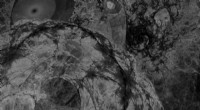
* Rectangular or Cuboidal: Cork cells are typically shaped like small bricks or cubes.
* Tightly Packed: They fit together snugly with little space between them, forming a dense layer.
Structure:
* Thick Cell Walls: The most striking feature of cork cells is their thick, rigid cell walls. These walls are made of a waxy substance called suberin, which makes the cells water-resistant and impermeable.
* Lack of Protoplasm: Unlike living cells, cork cells are dead. They lack a nucleus, cytoplasm, and other organelles. This is why they're so good at insulating and protecting plants.
* Small Lumen: The central cavity of the cell (lumen) is very small, as the thick cell wall takes up most of the space.
Appearance:
* Brown or Tan: Cork cells have a characteristic brown or tan color due to the presence of suberin.
* Porous: While the cells themselves are impermeable, cork tissue as a whole can have pores, or lenticels, that allow for gas exchange.
To visualize a cork cell:
* Imagine a brick wall: The tightly packed, rectangular cells are like bricks.
* Think of a sponge: The thick cell walls give the cork tissue a slightly spongy feel, and the tiny pores allow for some air circulation.
In short:
Cork cells are dead, rectangular cells with thick, suberin-rich walls that make them excellent insulators and waterproof barriers.