1. Frameshift Mutations:
* Location: Deletions within coding regions that are not multiples of three nucleotides.
* Impact: The reading frame of the genetic code is shifted, leading to the production of a completely different protein. The protein may be non-functional, truncated, or have a completely altered function.
* Examples: Cystic fibrosis, Duchenne muscular dystrophy.
2. In-frame Deletions:
* Location: Deletions within coding regions that are multiples of three nucleotides.
* Impact: A single amino acid is removed from the protein. The effect can vary greatly depending on the specific amino acid deleted. Some amino acids are crucial for protein function, while others have little impact.
* Examples: Some cases of sickle cell anemia, certain types of cancer.
3. Deletions in Non-coding Regions:
* Location: Deletions outside of coding regions, such as introns, regulatory elements (promoters, enhancers), or repetitive sequences.
* Impact: These deletions can affect the regulation of gene expression, splicing, or DNA replication. They may lead to reduced or increased gene expression, altered splicing patterns, or even chromosomal instability.
* Examples: Some cases of developmental disorders, cancer susceptibility.
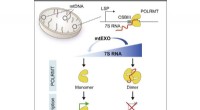
4. Deletions in Mitochondrial DNA:
* Location: Deletions within the circular DNA molecule found in mitochondria.
* Impact: Can disrupt the function of mitochondria, which are responsible for cellular energy production. This can lead to various disorders affecting muscle, brain, and other tissues.
* Examples: Mitochondrial myopathies, Leigh syndrome.
Factors Influencing the Impact:
* Location: As discussed above, the location within the genome significantly determines the severity.
* Size of the deletion: Larger deletions are generally more likely to have a significant impact.
* Tissue type: Deletions may affect different tissues differently.
* Other genetic factors: The individual's genetic background can influence the severity of the deletion's effects.
* Environmental factors: Environmental factors can interact with genetic mutations and contribute to the development of disease.
In summary:
DNA base deletions can have wide-ranging effects on organisms, from subtle changes in protein function to severe genetic disorders. Their impact depends on a variety of factors, including the location and size of the deletion, and the individual's genetic and environmental context.
It's important to note that not all deletions are harmful. Some deletions can be neutral or even beneficial, especially if they occur in non-coding regions or if the deleted sequence is redundant.