Here's a breakdown of what bioturbation entails:
Organisms involved:
* Infauna: Animals that live within the sediment (e.g., worms, clams, crabs, shrimp, snails, sea cucumbers).
* Epifauna: Animals that live on the surface of the sediment (e.g., starfish, sea urchins, sea anemones).
* Microorganisms: Bacteria, fungi, and other microbes that contribute to the breakdown of organic matter and the formation of new sediment.
Activities that cause bioturbation:
* Burrowing: Creating tunnels and chambers in the sediment.
* Feeding: Ingesting and transporting sediment, creating biogenic structures.
* Deposit feeding: Filtering sediment for organic matter.
* Construction: Building complex structures such as reefs, mounds, and burrows.
Effects of bioturbation:
* Increased sediment mixing: Bioturbation helps to mix sediments, leading to a more homogeneous and fertile environment.
* Enhanced nutrient cycling: By moving sediment and organic matter, bioturbation contributes to nutrient cycling in the ecosystem.
* Improved water penetration: Bioturbation creates channels and spaces that allow water to penetrate deeper into the sediment.
* Habitat creation: Bioturbation creates habitats for other organisms by providing shelter and food sources.
* Changes in sediment structure: Bioturbation can significantly alter the physical properties of sediment, impacting the flow of water and the distribution of organisms.
Examples of bioturbation:
* Worms: Worms create burrows that can be kilometers long, improving soil aeration and drainage.
* Clams: Clams filter large volumes of water, removing organic matter from the sediment and burying it.
* Sea urchins: Sea urchins graze on algae, creating bare patches on the seabed, which can have a significant impact on the structure of the community.
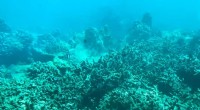
* Coral reefs: Corals create complex reefs that provide habitat for thousands of species.
Overall, bioturbation is a crucial ecological process that has a profound impact on sediment structure, nutrient cycling, and the distribution and abundance of organisms. It is a complex and dynamic process that is influenced by a variety of factors, including the type of organism, the environment, and the availability of food and resources.