Microscopy:
* Light Microscopy: Observing specimens under a microscope using visible light. Different types include compound, stereo, and phase contrast microscopes.
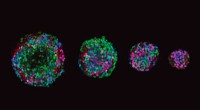
* Fluorescence Microscopy: Using fluorescent dyes to highlight specific structures or molecules within a sample.
* Electron Microscopy: Using electron beams to create high-resolution images of extremely small structures. This includes Transmission Electron Microscopy (TEM) and Scanning Electron Microscopy (SEM).
Molecular Biology Techniques:
* DNA Extraction and Purification: Isolating DNA from cells or tissue samples.
* PCR (Polymerase Chain Reaction): Amplifying specific DNA sequences for analysis or cloning.
* Gel Electrophoresis: Separating DNA, RNA, or proteins based on size and charge.
* DNA Sequencing: Determining the order of nucleotides in a DNA molecule.
* Cloning: Creating identical copies of genes or other DNA sequences.
* Restriction Enzyme Digestion: Cutting DNA at specific sequences using enzymes.
* Ligations: Joining DNA fragments together.
* Blotting Techniques: Transferring DNA, RNA, or proteins to a membrane for analysis. Examples include Southern, Northern, and Western blotting.
Cell Biology Techniques:
* Cell Culture: Growing and maintaining cells in a controlled environment outside of their natural habitat.
* Flow Cytometry: Analyzing cells individually for specific properties like size, shape, and protein expression.
* Immunofluorescence: Using antibodies to label and visualize specific proteins within cells.
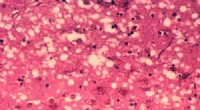
* Immunohistochemistry: Similar to immunofluorescence but performed on tissue samples.
* Micromanipulation: Using fine instruments to manipulate and study cells.
Biochemistry Techniques:
* Spectrophotometry: Measuring the absorbance or transmittance of light through a solution to quantify molecules.
* Chromatography: Separating mixtures of molecules based on their physical and chemical properties.
* Enzyme Assays: Measuring the activity of specific enzymes.
* Protein Purification: Isolating and purifying specific proteins from complex mixtures.
Other Techniques:
* Animal Models: Using animals to study biological processes and diseases.
* Statistics and Data Analysis: Analyzing and interpreting experimental data.
* Bioinformatics: Using computer tools to analyze and interpret biological data.
This is not an exhaustive list, but it provides a good overview of some common laboratory techniques used in biology. The specific techniques used will depend on the research question being investigated.