The evolution of life on Earth is a fascinating story that began in water. The following steps highlight the key stages of how bacteria and life evolved in this primordial soup:
1. The Birth of Life:
* Early Earth was a harsh environment with volcanic activity, limited oxygen, and intense UV radiation.
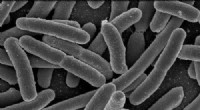
* The first life forms were likely simple, single-celled organisms similar to bacteria, called prokaryotes.
* These early prokaryotes were heterotrophic, meaning they obtained energy from pre-existing organic molecules in their surroundings.
2. The Rise of Photosynthesis:
* A major turning point came with the evolution of photosynthesis, a process that harnesses sunlight to produce energy and release oxygen as a byproduct.
* Cyanobacteria, a type of prokaryote, developed this ability, transforming the Earth's atmosphere.
* This event had profound consequences:
* It provided a new source of energy, fueling the diversification of life.
* It led to the gradual accumulation of oxygen in the atmosphere, paving the way for more complex life forms.
3. The Emergence of Eukaryotes:
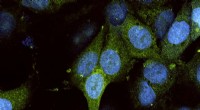
* Eukaryotes, cells with a nucleus and other membrane-bound organelles, evolved from prokaryotes.
* This development involved a series of symbiotic relationships where different prokaryotes merged, forming more complex structures.
* Examples include the mitochondria (responsible for cellular respiration) and chloroplasts (responsible for photosynthesis) in eukaryotic cells, which originated from engulfed bacteria.
4. The Evolution of Multicellularity:
* Eukaryotes eventually began to form colonies, and eventually, true multicellular organisms emerged.
* These multicellular organisms evolved specialized cells and tissues, allowing for greater complexity and diversity.
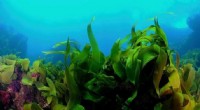
* In the water, this led to the evolution of algae, jellyfish, sponges, and worms—the ancestors of many modern-day aquatic organisms.
5. Colonizing Land:
* Around 500 million years ago, some aquatic life forms began to venture onto land.
* This transition was a significant challenge, requiring adaptations to survive in a drier, less buoyant environment.
* This event paved the way for the evolution of land plants and animals, marking a major milestone in the history of life.
Key Takeaways:
* Life originated in water, with early bacteria-like organisms adapting to harsh conditions.
* Photosynthesis by cyanobacteria transformed the atmosphere, paving the way for more complex life.
* The evolution of eukaryotes with their complex cell structure was a crucial step.
* Multicellularity and the development of specialized cells allowed for greater diversity and complexity.
* The colonization of land was a major turning point, leading to the evolution of terrestrial life forms.
The evolution of life in water is a continuous process, with new discoveries constantly shaping our understanding of this fascinating journey. By studying these ancient life forms, we gain insights into the origins of life and the extraordinary adaptability of organisms.