Here's a breakdown of what happens:
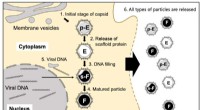
1. Vesicle Formation: The material destined for release is packaged into a membrane-bound sac called a vesicle within the cell.
2. Movement to the Plasma Membrane: The vesicle moves towards the cell's outer membrane (plasma membrane).
3. Fusion: The vesicle membrane fuses with the plasma membrane.
4. Release: The contents of the vesicle are released into the extracellular space.
Types of Exocytosis:
* Constitutive Exocytosis: This type of exocytosis occurs continuously, releasing substances like proteins and lipids that are constantly needed outside the cell.
* Regulated Exocytosis: This type of exocytosis is triggered by a specific signal, such as a hormone or a neurotransmitter. The release of the contents is tightly controlled and only occurs when needed.
Examples of Exocytosis:
* Neurotransmitter release: Neurons use exocytosis to release neurotransmitters at synapses, allowing communication between nerve cells.
* Hormone secretion: Endocrine cells release hormones into the bloodstream through exocytosis.
* Waste removal: Some cells use exocytosis to remove waste products from the cell.
Key Points:
* Exocytosis is a vital process for cell communication, secretion, and waste removal.
* It requires energy and is mediated by specific proteins that help the vesicle move, fuse, and release its contents.
* The type of exocytosis and the substances released vary depending on the cell and its function.