1. Availability of Water:
* Directly influences survival: All living organisms require water for vital processes like photosynthesis, respiration, and nutrient transport.
* Habitat suitability: Water availability dictates which organisms can survive in a particular environment. Deserts, with limited water, support drought-tolerant plants and animals, while rainforests, with abundant water, harbor diverse flora and fauna.
* Migration and dispersal: Water availability can drive migration patterns in animals, like the migration of birds following rainfall or the movements of fish seeking spawning grounds.
2. Water Quality:
* Salinity: Different organisms have varying tolerances to salinity. Freshwater species cannot survive in saltwater, and vice versa. The distribution of marine organisms is heavily influenced by salinity gradients.
* Pollution: Water pollution, from industrial waste, sewage, and agricultural runoff, can negatively impact aquatic ecosystems, reducing biodiversity and affecting the distribution of species.
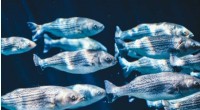
* Oxygen content: Aquatic organisms require dissolved oxygen for respiration. Oxygen levels can vary significantly depending on factors like temperature and water movement. This influences the distribution of species that need higher oxygen levels, such as fish.
3. Water Cycle and Climate:
* Rainfall patterns: Precipitation patterns determine the distribution of ecosystems like grasslands, deserts, and forests. Areas with high rainfall support lush vegetation, while arid regions are characterized by sparse plant life.
* Seasonal variations: Seasonal fluctuations in rainfall, such as the monsoon season, can create distinct wet and dry periods that influence the distribution and breeding cycles of organisms.
* Water flow and currents: Rivers, streams, and ocean currents distribute organisms and nutrients, shaping the biodiversity of different regions.
4. Specific Examples:
* Mangrove forests: These unique ecosystems thrive in coastal areas where freshwater mixes with saltwater. They provide habitat for numerous species adapted to the specific conditions.
* Coral reefs: These vibrant ecosystems depend on clear, warm water with a high pH and sufficient sunlight. Pollution and rising ocean temperatures threaten their existence, impacting the distribution of countless marine organisms.
* Desert ecosystems: Plants and animals in deserts have evolved adaptations like water storage and nocturnal activity to cope with limited water availability.
In conclusion, water availability, quality, and movement play crucial roles in shaping the distribution of organisms. Understanding these factors is essential for comprehending the diversity and resilience of ecosystems and for developing effective conservation strategies.