Here are some examples of mutualism:
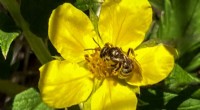
* Bees and flowers: Bees get nectar from the flowers, which they use as food. In the process, they transfer pollen from flower to flower, helping the plants reproduce.
* Cleaner fish and larger fish: Cleaner fish eat parasites off larger fish, providing them with food. The larger fish benefit from having parasites removed, which improves their health.
* Oxpeckers and zebras: Oxpeckers eat ticks and other parasites off zebras. The oxpeckers get a meal, and the zebras are rid of pesky parasites.
* Lichen: Lichen is a symbiotic relationship between a fungus and an algae. The fungus provides structure and protection for the algae, while the algae provides food for the fungus through photosynthesis.
Mutualism is a common and important relationship in nature, as it allows both species to thrive and survive.