* Chlorophyll: Plants and algae have chlorophyll, a green pigment that absorbs light energy. This is crucial for photosynthesis, as it allows the capture of light energy. Animals do not have chlorophyll.
* Chloroplasts: Chlorophyll is housed within specialized organelles called chloroplasts. These organelles are responsible for carrying out the photosynthetic process. Animals do not have chloroplasts.
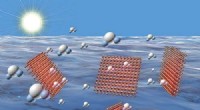
* Metabolic Pathways: Photosynthesis involves a complex series of biochemical reactions that convert light energy into chemical energy stored in sugars. Animals have different metabolic pathways that are geared towards obtaining energy from consuming other organisms.
Essentially, animals have evolved to obtain their energy by consuming organic matter produced by other organisms, rather than directly converting sunlight into energy like plants do.