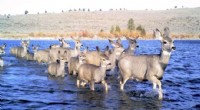
Animals: All animals lack chlorophyll. They get their energy by consuming other organisms.
Fungi: Fungi are heterotrophic, meaning they obtain nutrients from other organisms. They don't have chlorophyll and instead rely on decomposing organic matter or parasitizing other organisms.
Bacteria: While some bacteria do have chlorophyll (like cyanobacteria), many others do not. They can obtain energy through various means, including consuming organic matter, using chemicals, or photosynthesis in ways different from plants.
Protists: This diverse group includes organisms like amoebas, paramecia, and slime molds. Some protists, like Euglena, have chlorophyll, but many others do not.
Viruses: Viruses are not technically living organisms and don't have chlorophyll. They need a host cell to reproduce.
Parasites: Many parasites, whether they are worms, insects, or even bacteria, lack chlorophyll. They rely on getting their nutrients from their host.
Let me know if you'd like to know more about any of these!