Here's why:
* Chromosome Number vs. DNA Content: The number of chromosomes an organism has is not directly related to its size or complexity. It's more about how the DNA is packaged.
* Genome Size: The total amount of DNA an organism possesses (its genome size) is a better indicator of complexity. Larger organisms often have larger genomes, but this doesn't always mean more chromosomes.
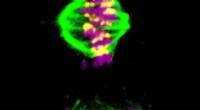
* DNA Packaging: DNA is tightly packaged into chromosomes. Organisms can have the same amount of DNA but package it into different numbers of chromosomes. For example, humans have 46 chromosomes, while a fruit fly has only 8.
* Gene Duplication and Expansion: Larger organisms tend to have more genes, which can arise through gene duplication events. This increases the amount of DNA but doesn't necessarily change the chromosome count.
* Non-coding DNA: A significant portion of the genome in many organisms is non-coding, meaning it doesn't directly code for proteins. This non-coding DNA can vary greatly in size, contributing to larger genomes without necessarily affecting the number of chromosomes.
In summary:
* Larger organisms tend to have larger genomes, but not necessarily more chromosomes.
* The number of chromosomes is more about how DNA is packaged, not the total amount of DNA.
* Larger genomes are often associated with increased gene complexity and more non-coding DNA.
Let me know if you have any other questions!