Levels of Organization in Biology
1. Organism: A single, complete living being (e.g., a human, a tree, a bacterium).
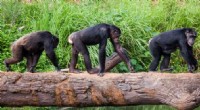
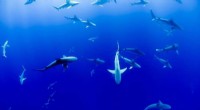
2. Population: A group of individuals of the same species living in the same area (e.g., a flock of birds, a school of fish).
3. Community: All the different populations of organisms living and interacting in a particular area (e.g., a forest community, a coral reef community).
4. Ecosystem: A community of organisms and their physical environment (e.g., a desert ecosystem, a rainforest ecosystem).
5. Biome: A large-scale collection of ecosystems that share similar climates and vegetation (e.g., tundra biome, tropical rainforest biome).
6. Biosphere: The sum of all living organisms and their physical environment on Earth.
Think of it like this:
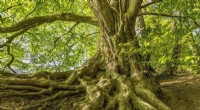
* A single tree is an organism.
* A forest full of trees is a population.
* The forest, including all the plants, animals, fungi, and bacteria, is a community.
* The forest, along with its soil, water, and sunlight, forms an ecosystem.
* A group of similar ecosystems like a vast forest area is a biome.
* The entire planet, encompassing all biomes and life, is the biosphere.