Structure and Function of Cells:
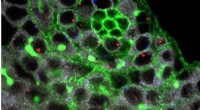
* Basic Building Block: Cells are the smallest, most basic unit of life. All living organisms are made up of one or more cells.
* Self-Contained Units: Cells are capable of independent functioning, carrying out all the essential processes of life, including:
* Metabolism: Obtaining and utilizing energy, producing and breaking down molecules.
* Growth and Development: Increasing in size and complexity.
* Reproduction: Creating new cells.
* Responding to stimuli: Adapting to changes in the environment.
* Structure: Cells are typically composed of:
* Plasma membrane: A thin, outer layer that regulates what enters and exits the cell.
* Cytoplasm: The gel-like substance that fills the cell, containing organelles.
* DNA (Deoxyribonucleic acid): The genetic material that carries the instructions for the cell's functions.
* Ribosomes: Structures responsible for protein synthesis.
* Other organelles: Specialized structures with specific functions, such as mitochondria (energy production) and Golgi apparatus (packaging and sorting).
Types of Cells:
* Prokaryotic Cells: Simple cells lacking a nucleus and other membrane-bound organelles, found in bacteria and archaea.
* Eukaryotic Cells: Complex cells with a nucleus and other membrane-bound organelles, found in plants, animals, fungi, and protists.
From Cells to Organisms:
* Tissues: Groups of similar cells working together to perform a specific function.
* Organs: Structures composed of different tissues working together to perform a specific function.
* Organ Systems: Groups of organs working together to perform a complex, coordinated function.
* Organism: A complete living being composed of interacting organ systems.
In summary: The cell is the fundamental unit of life, responsible for all essential functions. Its structure and function are the basis for the organization and complexity of all living organisms.