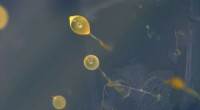
Kingdom Protista:
* Algae: Diatoms, kelp, seaweed, spirogyra
* Protozoa: Amoeba, paramecium, trypanosomes, plasmodium (causes malaria)
* Slime molds: Physarum polycephalum, Dictyostelium discoideum
Kingdom Fungi:
* Mushrooms: Button mushrooms, shiitake mushrooms, oyster mushrooms
* Yeasts: Saccharomyces cerevisiae (baker's yeast), Candida albicans (causes yeast infections)
* Molds: Penicillium (produces penicillin), Aspergillus (can cause food spoilage)
* Mycorrhizae: Symbiotic fungi that live in association with plant roots
Kingdom Plantae:
* Trees: Oak, pine, maple, redwood
* Flowers: Roses, sunflowers, tulips, lilies
* Grasses: Wheat, rice, corn, bamboo
* Mosses: Sphagnum moss, Polytrichum
* Ferns: Fern, horsetail
Kingdom Animalia:
* Vertebrates: Mammals, birds, reptiles, amphibians, fish
* Invertebrates: Insects, worms, mollusks, crustaceans, sponges, jellyfish
Other notable eukaryotes:
* Water molds: Phytophthora infestans (causes potato blight)
* Cellular slime molds: Dictyostelium discoideum
* Protists that are more closely related to animals: Choanoflagellates
This is not an exhaustive list, but it gives a good overview of the vast diversity of eukaryotic organisms.