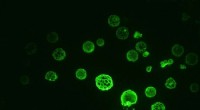
Microbes are tiny living organisms that are too small to be seen with the naked eye. They are everywhere, from the air we breathe to the soil beneath our feet, and even inside our bodies.
What are some examples of microbes?
* Bacteria: These single-celled organisms are incredibly diverse and can be found in almost every environment on Earth. Some bacteria are beneficial, such as those in our gut that help us digest food, while others can cause disease.
* Viruses: These non-living entities are much smaller than bacteria and require a host cell to replicate. Some viruses, like the flu virus, can make us sick, while others are harmless or even beneficial.
* Fungi: These organisms include mushrooms, yeasts, and molds. Some fungi, like yeast, are used to make bread and beer, while others can cause infections.
* Protozoa: These single-celled eukaryotic organisms can be found in water and soil. Some protozoa are beneficial, such as those that help break down organic matter, while others can cause disease.
What do microbes do?
Microbes play a crucial role in many aspects of our lives and the planet's health:
* Decomposers: They break down dead organisms and waste, recycling nutrients back into the environment.
* Food production: They are essential for making cheese, yogurt, bread, and other fermented foods.
* Medicine: They are used to produce antibiotics, vaccines, and other life-saving medications.
* Biotechnology: They are used in a variety of industries, such as biofuels, agriculture, and pollution control.
* Symbiosis: They live in symbiotic relationships with other organisms, such as the bacteria in our gut that aid in digestion.
* Disease: Some microbes can cause disease, but most are harmless or even beneficial.
In Conclusion:
Microbes are incredibly diverse and important for life on Earth. They play a vital role in many processes, from decomposition and food production to medicine and biotechnology. While some microbes can cause disease, most are harmless or even beneficial.