Here's a breakdown of how photosynthesis occurs in prokaryotes:
1. Location:
* No Chloroplasts: Prokaryotic cells lack the specialized organelles called chloroplasts, which house the photosynthetic machinery in eukaryotes.
* Plasma Membrane: Instead, photosynthesis occurs in the plasma membrane, where photosynthetic pigments and enzymes are embedded.
2. Types of Photosynthesis:
* Oxygenic Photosynthesis: Some prokaryotes, like cyanobacteria, perform oxygenic photosynthesis similar to plants. They use water as an electron donor, releasing oxygen as a byproduct.
* Anoxygenic Photosynthesis: Other prokaryotes use different electron donors like hydrogen sulfide (H₂S) or ferrous iron (Fe²⁺) in their photosynthesis. These reactions don't produce oxygen as a byproduct.
3. Key Components:
* Pigments: Prokaryotes use pigments like chlorophyll, bacteriochlorophyll, and phycobilins to capture light energy.
* Photosystems: These are complexes of proteins and pigments that absorb light and use its energy to excite electrons. Prokaryotes often have simpler photosystems compared to eukaryotes.
* Electron Transport Chain: Like in eukaryotic photosynthesis, prokaryotes use an electron transport chain to generate a proton gradient and produce ATP (energy currency) through chemiosmosis.
* Carbon Fixation: Prokaryotes utilize the Calvin cycle or other pathways to fix carbon dioxide (CO₂) into organic molecules like sugars.
4. Diversity:
* Photoautotrophs: Many prokaryotes are photoautotrophs, meaning they can produce their own food from sunlight.
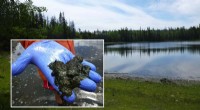
* Variety of Habitats: Prokaryotic photosynthesis occurs in various environments, including aquatic habitats, soil, and extreme environments like hot springs and deep-sea vents.
In Summary:
Prokaryotic photosynthesis is adapted to their simpler cell structure and diverse environments. They utilize the plasma membrane for the process, have simpler photosystems, and may use different electron donors besides water. Despite these differences, the fundamental principles of capturing light energy, using electron transport chains, and fixing carbon remain similar to eukaryotic photosynthesis.