Here's a breakdown of key characteristics:
* Optimal pH: These organisms have adapted to survive and flourish in acidic conditions, often with an optimal pH range between 0 and 5.
* Adaptation Mechanisms: They possess specific mechanisms to maintain their cellular integrity and function in acidic environments. These include:
* Cell membrane modifications: Their cell membranes are more resistant to acid damage.
* pH homeostasis mechanisms: They actively pump out excess protons (H+) to maintain their internal pH.
* Acid-tolerant enzymes: They produce enzymes that are active and stable at low pH levels.
* Habitat: Acidophiles can be found in diverse acidic environments like:
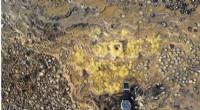
* Volcanic hot springs: These springs release acidic water and gases, creating suitable environments for these organisms.
* Acid mine drainage: Mining activities release acidic wastewater into the surrounding environment.
* Acidic soils: Certain soils, especially those with high levels of organic matter decomposition, can become acidic.
* Human stomach: The stomach's acidity supports the growth of some acidophilic bacteria.
Examples of Acidophiles:
* Sulfolobus: This archaeon thrives in hot, acidic volcanic environments.
* Picrophilus: This archaeon is one of the most acid-tolerant organisms known, with an optimal growth pH of 0.7.
* Helicobacter pylori: This bacterium colonizes the human stomach, contributing to ulcers and other gastric disorders.
Importance:
* Bioremediation: Acidophiles can play a role in cleaning up acidic waste from mining and industrial activities.
* Extremophile research: Studying acidophiles helps us understand how life can adapt to extreme environments and provides insights into the origins of life on Earth.
* Industrial applications: They are used in processes like bioleaching of metals and production of enzymes for industrial purposes.
Overall, acidophiles are fascinating organisms with unique adaptations that allow them to thrive in highly acidic environments. Their study offers valuable insights into the resilience of life and its potential for survival in extreme conditions.