Here's a breakdown:
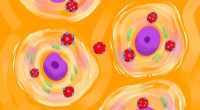
* Eukaryotic cells are cells that have a nucleus and other membrane-bound organelles. This includes:
* Animal cells
* Plant cells
* Fungal cells
* Protist cells
* Mitochondria are the "powerhouses" of the cell, responsible for generating energy through cellular respiration.
There are a few exceptions, like:
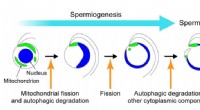
* Red blood cells (erythrocytes) in mammals lack mitochondria because they lose them during development to maximize space for oxygen transport.
* Some specialized cells, like certain types of muscle cells, have very few mitochondria.
In short, you can generally assume that any eukaryotic cell you encounter will have mitochondria.