Here's a breakdown:
* Autotrophs are organisms that can make their own food from inorganic sources, mainly sunlight or chemical energy. They form the base of the food chain.
* Primary producers are the first level in the food chain. They are consumed by herbivores, which are then consumed by carnivores, and so on.
The most common type of autotrophs are photoautotrophs, which use sunlight to create food through photosynthesis. This includes plants, algae, and some bacteria.
Another type of autotrophs are chemoautotrophs, which use energy from chemical reactions to create food. These are mainly found in environments like hydrothermal vents and are not as significant in terms of overall food production.
Examples of organisms that produce the food supply:
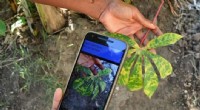
* Plants: Trees, grasses, flowers, vegetables, fruits
* Algae: Seaweed, phytoplankton
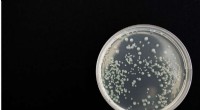
* Bacteria: Cyanobacteria (blue-green algae)
These organisms are essential for life on Earth, as they provide the foundation for all other life forms. They convert light energy into chemical energy stored in organic molecules (like sugars), which are then used as food by other organisms.