Microevolution:
* Refers to small-scale changes in allele frequencies within a population over time.
* Driven by mechanisms like mutation, natural selection, genetic drift, and gene flow.
* Can lead to observable changes in traits within a population.
Speciation:
* The process by which new species arise.
* Occurs when populations become reproductively isolated, preventing gene flow between them.
* Over time, these isolated populations accumulate genetic differences, leading to the formation of distinct species.
The Connection:
* Microevolution is a necessary component of speciation. The genetic changes that occur through microevolution are the raw material for speciation. Without microevolution, there would be no genetic variation for natural selection to act on, and no basis for populations to diverge.
* However, microevolution alone is not sufficient for speciation. Reproductive isolation is the critical factor. Microevolutionary changes can lead to adaptations to different environments, but these changes won't create a new species unless they also prevent breeding between the diverging populations.
Examples:
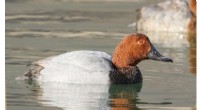
* Imagine a population of birds that is geographically separated. Over time, the two groups experience different selective pressures, leading to microevolutionary changes in their beak size and shape. If these changes also result in mating preferences or barriers (e.g., different breeding seasons), then the two groups could eventually become distinct species.
Key Point:
* While microevolution can lead to the genetic changes that eventually contribute to speciation, it's not the same thing as speciation. Speciation requires both microevolutionary changes and reproductive isolation.
In Summary:
Microevolution provides the building blocks for speciation, but it's not the sole driver. Speciation requires both genetic change through microevolution and reproductive isolation to separate populations and allow them to diverge into distinct species.