1. The large subunit:
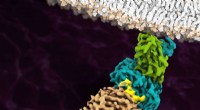
* Ribosomal RNA (rRNA): This is the major component of the large subunit, making up about 60% of its mass. rRNA provides the structural framework and catalytic activity for protein synthesis.
* Proteins: The large subunit also contains around 49 proteins in eukaryotes and 31 proteins in prokaryotes. These proteins help to stabilize the structure of the rRNA and participate in the assembly and function of the ribosome.
2. The small subunit:
* Ribosomal RNA (rRNA): This is also the major component of the small subunit, making up about 60% of its mass. The rRNA in the small subunit is responsible for binding messenger RNA (mRNA), which carries the genetic code for protein synthesis.
* Proteins: The small subunit contains around 33 proteins in eukaryotes and 21 proteins in prokaryotes. These proteins help to stabilize the structure of the rRNA and participate in the binding of mRNA and the initiation of translation.
In summary:
Ribosomes are made up of:
* Ribosomal RNA (rRNA): The structural and catalytic core of the ribosome.
* Ribosomal proteins: Proteins that help stabilize the rRNA and participate in various aspects of ribosome function.
The specific types and amounts of rRNA and proteins vary between prokaryotes and eukaryotes.