Here are some key characteristics of multicellular organisms:
* Specialized cells: Cells in multicellular organisms are often specialized to perform specific functions (e.g., muscle cells for movement, nerve cells for communication).
* Tissues: Similar cells group together to form tissues, like muscle tissue or nervous tissue.
* Organs: Different tissues work together to form organs, like the heart, lungs, or brain.
* Organ systems: Groups of organs collaborate to carry out complex functions, forming organ systems (e.g., circulatory system, digestive system).
Examples of multicellular organisms include:
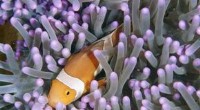
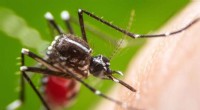
* Animals: Humans, dogs, birds, fish, insects, etc.
* Plants: Trees, flowers, ferns, mosses, etc.
* Fungi: Mushrooms, molds, yeasts, etc.
* Some algae: Seaweeds, kelp, etc.