1. Genetic Information:
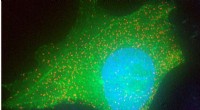
* Stores and protects DNA: The nucleus contains the cell's genetic material, DNA, which is organized into chromosomes. This DNA holds the instructions for building and maintaining the entire organism.
* Replication of DNA: Before a cell divides, the DNA in the nucleus must be replicated to ensure that each new cell receives a complete copy of the genetic code.
* Transcription: The nucleus is responsible for the first step in protein synthesis called transcription. This is the process where the DNA code is copied into a messenger RNA (mRNA) molecule.
2. Protein Synthesis:
* Directs protein production: The nucleus controls the production of proteins by transcribing the genetic information from DNA into mRNA. This mRNA then travels out of the nucleus to the ribosomes where protein synthesis takes place.
3. Cell Differentiation:
* Controls gene expression: The nucleus regulates which genes are active and inactive, determining the specialized functions of different cell types.
4. Cellular Growth and Development:
* Regulates cell cycle: The nucleus plays a crucial role in the cell cycle, ensuring that the cell divides correctly and produces healthy daughter cells.
5. Cell Communication:
* Receives and responds to signals: The nucleus can receive signals from the environment and from other cells, and it can respond by adjusting its activity.
In summary, the nucleus is the command center of the cell, responsible for:
* Storing and transmitting genetic information.
* Controlling protein synthesis.
* Regulating cell growth and development.
* Coordinating cellular activities.
Without a properly functioning nucleus, cells cannot survive or perform their specialized tasks.