1. Binding and Formation of the Enzyme-Substrate Complex:
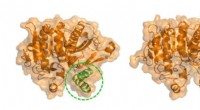
* The substrate binds to the enzyme's active site, a specific region on the enzyme's surface.
* This binding is highly specific, often likened to a "lock and key" mechanism, where only the correct substrate can fit into the active site.
* The formation of the enzyme-substrate complex brings the substrate into close proximity to the enzyme's catalytic residues, which facilitate the chemical reaction.
2. Catalysis and Product Formation:
* The enzyme facilitates the chemical reaction by lowering the activation energy required for the reaction to occur.
* This is achieved through various mechanisms, including:
* Proximity and orientation: The enzyme brings the substrate molecules together in the correct orientation for reaction.
* Strain: The enzyme may distort the substrate molecule, making it more susceptible to reaction.
* Acid-base catalysis: The enzyme provides acidic or basic groups to facilitate bond breaking and formation.
* Covalent catalysis: The enzyme may temporarily form a covalent bond with the substrate.
* The chemical reaction occurs, converting the substrate into the product.
3. Product Release and Enzyme Regeneration:
* The product detaches from the enzyme's active site.
* The enzyme returns to its original state, ready to bind another substrate molecule and repeat the cycle.
Key Points:
* Enzyme activity is highly specific, with each enzyme typically catalyzing only one or a small number of reactions.
* Enzymes are not consumed in the reaction and can be used repeatedly.
* The rate of an enzymatic reaction can be affected by factors like substrate concentration, temperature, pH, and the presence of inhibitors or activators.
In summary, the binding of a substrate to an enzyme initiates a series of steps that lead to the conversion of the substrate into a product, with the enzyme remaining unchanged and ready to catalyze further reactions.