What DNA Does:
* Stores Genetic Information: DNA is like a blueprint or instruction manual for building and maintaining an organism. It contains the genetic code that determines an organism's traits, like eye color, hair color, height, and even susceptibility to certain diseases.
* Directs Protein Synthesis: DNA holds the instructions for making proteins. Proteins are the workhorses of the cell, performing a vast array of functions. They build structures, transport molecules, catalyze reactions, and much more.
* Replicates Itself: During cell division, DNA makes exact copies of itself, ensuring that each new cell receives a complete set of genetic instructions.
True Statements About DNA:
* DNA is found in the nucleus of cells. This is where the majority of DNA is located in eukaryotic organisms. (Eukaryotes are organisms with a nucleus, like humans, animals, plants, and fungi.)
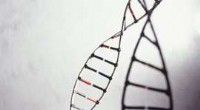
* DNA is made up of nucleotides. Nucleotides are the building blocks of DNA. Each nucleotide consists of a sugar, a phosphate group, and one of four nitrogenous bases: adenine (A), guanine (G), cytosine (C), and thymine (T).
* The order of nucleotides in DNA determines the genetic code. The sequence of these bases dictates which proteins are produced.
* DNA can be damaged by environmental factors. Exposure to radiation, chemicals, and certain viruses can damage DNA. This damage can lead to mutations, which may cause diseases.
* Scientists can analyze DNA to identify individuals and track ancestry. DNA profiling is used in forensic science, paternity testing, and genealogy research.
Let me know if you'd like more information about a specific aspect of DNA!