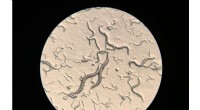
* Bacteria: E. coli, Salmonella, Lactobacillus, Cyanobacteria (blue-green algae)
* Protists: Amoeba, Paramecium, Euglena, Diatoms
* Yeast: Saccharomyces cerevisiae (baker's yeast)
* Archea: Halophiles (salt-loving), Thermophiles (heat-loving)
* Animals: Humans, dogs, cats, birds, fish, insects, worms
* Plants: Trees, flowers, grasses, ferns, mosses
* Fungi: Mushrooms, molds, yeasts (some are unicellular, some are multicellular)
* Algae: Seaweed, kelp (some are unicellular, some are multicellular)
Note: Some organisms, like fungi and algae, can be both unicellular and multicellular depending on the species.