1. Evolutionary History:
* Plants (Plantae): Evolved from a specific group of green algae, forming a distinct lineage. They share a common ancestor with all land plants.
* Protists: A very diverse group, encompassing many lineages. They are not a single, unified group like plants. Some protists are more closely related to animals than to plants.
2. Cell Structure:
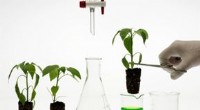
* Plants: Have cell walls made of cellulose, chloroplasts for photosynthesis, and often have specialized tissues (roots, stems, leaves).
* Protists: Show great variation in cell structure. Some have cell walls, some have chloroplasts, but many lack both. Some protists are single-celled organisms, while others are multicellular.
3. Reproductive Strategies:
* Plants: Exhibit a range of reproductive strategies, from simple spores to complex flowers and seeds.
* Protists: Reproductive methods vary widely across the group. Some reproduce asexually, others sexually, and some have unique life cycles.
4. Lifestyle:
* Plants: Mostly terrestrial, though some aquatic plants exist. They are generally photosynthetic and produce their own food.
* Protists: Found in diverse environments, including aquatic habitats, soil, and even inside other organisms. They can be photosynthetic, heterotrophic (consuming other organisms), or mixotrophic (combining both methods).
The Bottom Line:
While some protists may look similar to plants, the scientific classification reflects their evolutionary history, cell structure, reproductive strategies, and overall lifestyles. These fundamental differences make protists distinct from plants, even though they share some common features.