Structure:
* Protist cilia and flagella:
* Structure: Composed of microtubules arranged in a 9+2 pattern (nine pairs of microtubules surrounding two single microtubules).
* Origin: Eukaryotic, meaning they are enclosed within a membrane and connected to the cell's cytoskeleton.
* Bacterial cilia and flagella:
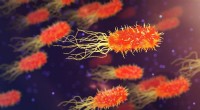
* Structure: Composed of a protein called flagellin arranged in a helical filament.
* Origin: Prokaryotic, meaning they are not membrane-bound and are not connected to the cell's cytoskeleton.
Function:
* Protist cilia and flagella:
* Cilia: Primarily used for movement, creating currents for feeding, and sensory reception.
* Flagella: Typically used for locomotion, propelling the cell through the water.
* Bacterial cilia and flagella:
* Cilia: Not found in bacteria.
* Flagella: Primarily used for locomotion, propelling the cell through liquids.
Movement:
* Protist cilia and flagella:
* Cilia: Beat in a coordinated, wave-like motion.
* Flagella: Undulate in a whip-like motion.
* Bacterial flagella:
* Flagella: Rotate like a propeller.
Other differences:
* Protist cilia and flagella:
* Larger and more complex: Typically longer and more complex than bacterial flagella.
* More diverse: Protists exhibit a wider variety of cilia and flagella arrangements and movements.
* Bacterial flagella:
* Smaller and simpler: Typically smaller and less complex than protist cilia and flagella.
* Less diverse: Bacterial flagella tend to be simpler in structure and movement patterns.
In summary:
The cilia and flagella of protists and bacteria have different origins, structures, and movement mechanisms. This is due to the fundamental differences between eukaryotic (protists) and prokaryotic (bacteria) cells. Protist cilia and flagella are more complex and versatile, while bacterial flagella are simpler and primarily serve for locomotion.