1. Caenorhabditis elegans (C. elegans)
* Advantages:
* Simple and transparent, allowing for easy observation of cell divisions and movements.
* Completely mapped cell lineage, meaning the fate of every cell in the organism is known.
* Genetic tractability, allowing for the manipulation of gene expression and the creation of specific mutants.
* Relatively short lifespan, facilitating quick experiments.
* Disadvantages:
* Limited complexity compared to higher organisms.
* Not a direct model for human development.
2. Drosophila melanogaster (Fruit fly)
* Advantages:
* Relatively large and easy to manipulate genetically.
* Well-characterized developmental pathways, including cell signaling and differentiation.
* Excellent tools for studying development, including genetic screens and live imaging.
* Disadvantages:
* More complex than C. elegans, making cell lineage tracing more challenging.
* Not a direct model for human development.
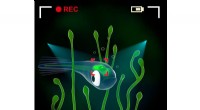
3. Zebrafish (Danio rerio)
* Advantages:
* Vertebrate model system, making it more relevant to human development.
* Transparent embryos and larvae, allowing for live imaging of cell divisions and movements.
* Amenable to genetic manipulation and high-throughput screening.
* Disadvantages:
* More complex than invertebrate models, making cell lineage tracing more challenging.
* Still less well-understood than other model organisms.
4. Mouse (Mus musculus)
* Advantages:
* Mammalian model system, providing the closest representation of human development.
* Sophisticated genetic tools and techniques, including gene targeting and knockouts.
* Extensive knowledge about mammalian development and disease.
* Disadvantages:
* More expensive and time-consuming to maintain and breed.
* Difficult to study cell lineage in vivo due to opacity of tissues.
5. Other promising model organisms:
* Hydra: Regenerative capabilities and a well-defined cell lineage, suitable for studying cell fate determination and regeneration.
* Planaria: Remarkable regenerative abilities and a complex cell lineage, useful for understanding tissue regeneration and stem cell biology.
* Xenopus laevis: Amphibian model with a large, easily accessible embryo, allowing for live imaging of cell divisions and movements.
The best model organism for a particular cell lineage study will depend on the specific research question, the desired level of complexity, and the available resources.