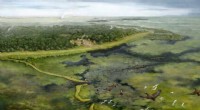
1. Lentic Ecosystems: These are characterized by still or slow-moving water.
* Lakes: Large bodies of water with a significant depth and open water surface.
* Ponds: Smaller bodies of water with shallower depths and more emergent vegetation.
* Reservoirs: Artificial lakes created by damming rivers.
* Wetlands: Areas that are saturated with water for at least part of the year, including marshes, swamps, and bogs.
2. Lotic Ecosystems: These are characterized by flowing water.
* Rivers: Large, flowing bodies of water that typically have a significant current.
* Streams: Smaller, flowing bodies of water that often have a shallower depth and faster current.
* Springs: Areas where groundwater emerges from the earth's surface.
3. Groundwater Ecosystems: These are found beneath the surface of the earth.
* Aquifers: Underground layers of rock or sediment that hold groundwater.
* Cave ecosystems: Underground environments that can support unique life forms.
Other Categories:
While the above categories are widely used, some additional categories are sometimes used:
* Artificial ecosystems: Human-made freshwater habitats like canals, irrigation ditches, and aquaculture ponds.
* Temporary freshwater ecosystems: These are habitats that only exist for a limited time, such as vernal pools and ephemeral streams.
It's important to note that these categories are not mutually exclusive. For example, a river can have lentic areas where the water slows down and forms pools.
Ecological Importance of Freshwater Ecosystems:
Freshwater ecosystems play a critical role in the global ecosystem, providing:
* Habitat for diverse species: A vast number of plants and animals depend on freshwater environments.
* Water purification: They filter and clean water through natural processes.
* Flood control: Wetlands and other freshwater ecosystems can absorb excess water and help prevent flooding.
* Economic benefits: They support fishing, recreation, and other economic activities.