Here's how it works:
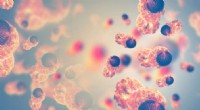
1. Phagocytosis: Macrophages are specialized immune cells that use a process called phagocytosis to engulf and destroy pathogens.
2. Antigen Presentation: Once the pathogen is inside the macrophage, it breaks it down into smaller pieces called antigens.
3. MHC II: The macrophage displays these antigens on its surface using a special molecule called MHC II (Major Histocompatibility Complex Class II).
4. T Cell Activation: This presentation of antigens on MHC II allows the macrophage to interact with helper T cells (also called CD4+ T cells). The T cells recognize the antigen-MHC II complex and become activated.
5. Immune Response: Activated T cells then initiate an immune response to fight the pathogen.
So, macrophages play a crucial role in both engulfing pathogens and presenting their antigens to other immune cells, which is essential for the body to mount an effective immune response.