1. Hyphae: The basic structural unit of Rhizopus stolonifer is the hypha, a long, thread-like filament. These hyphae grow and branch out extensively, forming a network called a mycelium.
2. Stolon: Rhizopus stolonifer is named for its stolons, which are specialized hyphae that grow horizontally along the surface of the substrate (like bread). Stolons serve to spread the fungus over a wider area.
3. Rhizoids: Rhizoids are specialized hyphae that grow downwards from the stolons and anchor the fungus to the substrate. They also absorb nutrients from the substrate.
4. Sporangia: Rhizopus stolonifer reproduces asexually through the formation of sporangia. These are round, sac-like structures that are borne at the tips of specialized hyphae called sporangiophores. Inside the sporangia, numerous spores develop.
5. Sporangiospores: These are the haploid spores produced inside the sporangia. When the sporangium matures, it bursts, releasing the spores into the environment. These spores can then germinate and give rise to new mycelia.
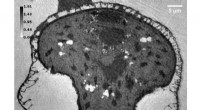
6. Cell Wall: Like all fungi, Rhizopus stolonifer has a cell wall made of chitin, a tough, durable polysaccharide. This cell wall provides structural support and protection for the fungal cell.
7. Cell Membrane: The cell membrane encloses the cytoplasm and regulates the movement of substances in and out of the cell.
8. Cytoplasm: The cytoplasm is the gel-like substance that fills the fungal cell. It contains various organelles, including:
* Nucleus: The nucleus contains the genetic material of the fungus.
* Ribosomes: These organelles are responsible for protein synthesis.
* Mitochondria: These are the powerhouses of the cell, responsible for cellular respiration.
* Endoplasmic Reticulum: A network of membranes involved in protein and lipid synthesis.
* Golgi Apparatus: This organelle packages and modifies proteins and lipids.
Note: Rhizopus stolonifer can also reproduce sexually, producing zygospores under specific conditions. However, the asexual reproduction through sporangiospores is its primary mode of propagation.