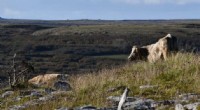
Abiotic factors are non-living components of an ecosystem. Think of them as the physical and chemical conditions that influence life. They include:
* Temperature: The degree of heat or cold in an environment.
* Sunlight: The amount of light available for photosynthesis.
* Water: The availability of fresh or saltwater for drinking and other needs.
* Soil: The composition and texture of the ground, affecting plant growth.
* Air: The gases present in the atmosphere, including oxygen, carbon dioxide, and nitrogen.
* pH: The acidity or alkalinity of the environment, affecting chemical reactions.
* Salinity: The salt concentration in water, impacting aquatic life.
* Altitude: The height above sea level, influencing temperature and air pressure.
Biotic factors, on the other hand, are all the living components of an ecosystem. These are the organisms that interact with each other and their environment:
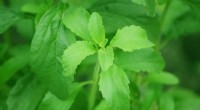
* Plants: Producers that convert sunlight into energy through photosynthesis.
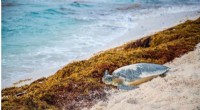
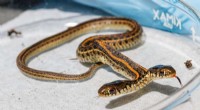
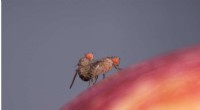
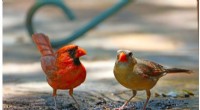
* Animals: Consumers that eat plants or other animals for energy.
* Fungi: Decomposers that break down dead organic matter.
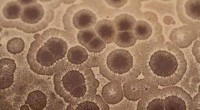
* Bacteria: Microorganisms essential for nutrient cycling and decomposition.
* Competition: Interactions between organisms for resources like food, water, or space.
* Predation: The act of one organism hunting and killing another for food.
* Parasitism: A relationship where one organism benefits at the expense of another.
* Mutualism: A relationship where both organisms benefit from each other.
Key Differences:
| Feature | Abiotic Factors | Biotic Factors |
|---|---|---|
| Nature | Non-living | Living |
| Examples | Temperature, sunlight, water | Plants, animals, fungi |
| Role | Provide the physical and chemical conditions for life | Interact with each other and their environment |
| Influence | Affect the distribution and abundance of organisms | Drive ecological processes and population dynamics |
Understanding the distinction between abiotic and biotic factors is crucial for studying ecosystems. These factors work together to create complex and interconnected webs of life.