1. Ribosome Synthesis:
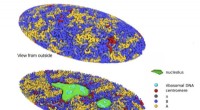
* The nucleolus is responsible for transcribing and processing ribosomal RNA (rRNA).
* rRNA is the main component of ribosomes, which are the protein synthesis machinery of the cell.
* The nucleolus assembles rRNA with ribosomal proteins, which are imported from the cytoplasm, to create the ribosomal subunits.
2. Protein Synthesis:
* Ribosomes, produced by the nucleolus, are crucial for translating genetic information from mRNA into proteins.
* Proteins are essential for all cellular functions, from structural support to enzyme activity.
* Without the nucleolus's role in ribosome production, cells would not be able to create the proteins necessary for life.
3. Cell Growth and Development:
* The nucleolus is highly active during periods of rapid cell growth and development.
* This is because increased protein synthesis is required for the creation of new cells and tissues.
In summary, the nucleolus is essential for the survival and functioning of both animal and plant cells by ensuring the production of ribosomes, which are vital for protein synthesis and all cellular processes.