1. Protein synthesis:
* A 3D printer: A 3D printer takes a digital design (like DNA) and translates it into a physical object (like a protein) using layers of material (like amino acids).
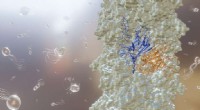
* A factory assembly line: Each step of protein synthesis, from mRNA binding to peptide bond formation, resembles a complex, organized assembly line within the ribosome.
2. RNA processing:
* A reader and interpreter: Ribosomes "read" the genetic code carried by messenger RNA (mRNA) and "interpret" it to build the correct protein sequence.
* A translator: Much like a translator, the ribosome takes information from one language (the mRNA code) and translates it into another language (the protein sequence).
3. Molecular machinery:
* A machine with moving parts: Ribosomes are composed of many different proteins and RNA molecules that work together to perform their function.
* A complex machine with specific roles: Like a machine with specialized components, ribosomes have specific sites for mRNA binding, tRNA binding, and peptide bond formation.
It's important to remember that these are just analogies. No single object can fully capture the complexity and intricacy of a ribosome.