1. Evaporation: The sun's energy heats water in oceans, lakes, rivers, and even the soil, turning it into water vapor and lifting it into the atmosphere.
2. Condensation: As the water vapor rises and cools, it condenses into tiny water droplets, forming clouds.
3. Precipitation: When the water droplets in clouds become heavy enough, they fall back to Earth as precipitation: rain, snow, sleet, or hail.
4. Runoff: Precipitation that falls on land flows into rivers, lakes, and oceans. Some of it seeps into the ground, becoming groundwater.
5. Storage: Freshwater is stored in various forms:
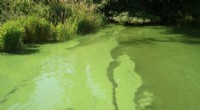
* Surface water: Lakes, rivers, and streams.
* Groundwater: Water stored underground in aquifers.
* Ice and snow: Glaciers and ice caps.
6. Transpiration: Plants absorb water from the soil and release it into the atmosphere through their leaves.
How humans get freshwater:
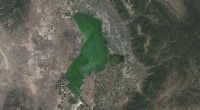
* Surface water: We collect water from rivers, lakes, and reservoirs using dams and other structures.
* Groundwater: We drill wells to access underground aquifers.
* Desalination: We can remove salt from seawater to create freshwater, but this is a costly and energy-intensive process.
Important to note:
* Freshwater is a finite resource: Even though the hydrologic cycle is continuous, the amount of freshwater available on Earth is limited.
* Conservation is crucial: We need to use freshwater responsibly and protect it from pollution to ensure that it's available for future generations.