1. Climate:
* Temperature: Different biomes are defined by their temperature ranges. For example, tropical rainforests are hot and humid, while tundras are extremely cold. Variations in temperature influence which plants and animals can survive in a region.
* Precipitation: The amount and distribution of rainfall greatly affect the type of vegetation that grows in a biome. Dry areas like deserts receive very little rainfall, while rainforests experience high amounts of rainfall.
* Sunlight: The amount of sunlight reaching a region influences plant growth and thus the entire ecosystem.
2. Latitude and Altitude:
* Latitude: The distance from the equator influences temperature and precipitation patterns. Regions closer to the equator receive more direct sunlight and experience warmer temperatures, often leading to tropical biomes.
* Altitude: As altitude increases, temperatures decrease and precipitation patterns change, resulting in different biomes at higher elevations. For instance, mountains can have different biomes at their base, mid-slope, and summit.
3. Geology and Soil:
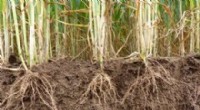
* Soil type: Different soil types have varying nutrient content and water-holding capacity, impacting what plants can thrive.
* Topography: Features like mountains, valleys, and hills can create microclimates and influence the distribution of biomes.
4. Human Activities:
* Deforestation: Cutting down trees can lead to changes in climate, soil erosion, and habitat loss, altering the structure and function of biomes.
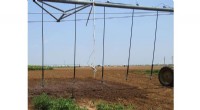
* Agriculture: Agricultural practices can alter soil composition, introduce invasive species, and lead to habitat fragmentation, causing biome changes.
* Pollution: Pollution from industrial activities, agriculture, and other sources can contaminate water and air, negatively impacting ecosystems and leading to biome shifts.
5. Natural Events:
* Wildfires: Natural fires can reshape landscapes and influence plant communities, potentially leading to changes in biome composition.
* Volcanic Eruptions: Volcanic eruptions can release ash and gases that alter the environment, impacting the distribution of plants and animals.
* Climate Change: Long-term shifts in global climate, such as rising temperatures and altered precipitation patterns, can significantly influence biome boundaries and lead to biome shifts over time.
These factors interact in complex ways to create the diverse array of biomes found on Earth. Understanding these influences is crucial for understanding the dynamics of ecosystems and for conserving biodiversity.