Plants:
* Strawberries: They produce runners that grow into new plants, genetically identical to the parent.
* Potatoes: New potato plants can grow from the "eyes" of a potato, which are buds.
* Garlic: Garlic cloves are actually individual plants that can be planted to produce new garlic plants.
* Bananas: Many banana cultivars are propagated asexually due to their sterile nature.
Animals:
* Hydra: These freshwater invertebrates reproduce by budding, where a small outgrowth on the parent develops into a new individual.
* Sea anemones: Similar to hydra, they reproduce by budding.
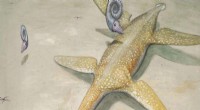
* Starfish: Some starfish can regenerate lost limbs, and in some cases, a severed limb can develop into a whole new starfish.
* Planarians: These flatworms can reproduce by fission, where the body splits into two individuals.
* Rotifers: These microscopic animals reproduce by parthenogenesis, where females produce offspring from unfertilized eggs.
Other:
* Bacteria: Bacteria reproduce by binary fission, where one cell divides into two identical cells.
* Protists: Many protists, like amoeba, reproduce asexually by mitosis.
Important Note: While many organisms reproduce asexually, most species have the ability to reproduce sexually as well. Asexual reproduction is often favored in stable environments where there is little need for genetic variation.