Here are some examples of photoautotrophs:
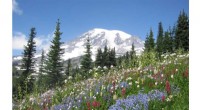
* Plants: This is the most common and familiar example. All types of plants, from trees to flowers to ferns, perform photosynthesis.
* Algae: These are aquatic organisms that range in size from microscopic single-celled organisms to large seaweed.
* Cyanobacteria: These are bacteria that can perform photosynthesis. They are also known as blue-green algae.
It's important to note that some bacteria can also produce their own food through a process called chemosynthesis, which uses energy from chemicals instead of sunlight.