1. Macroscopic Organisms:
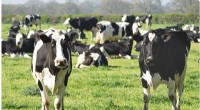
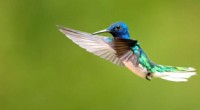
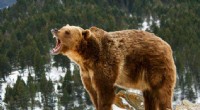
* Animals: These are multicellular organisms that can move independently. Examples include humans, insects, fish, birds, and mammals.
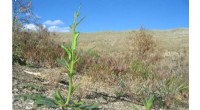
* Plants: These are multicellular organisms that cannot move independently. Examples include trees, flowers, grasses, and ferns.
* Fungi: These are heterotrophic organisms that obtain nutrients from decaying organic matter. Examples include mushrooms, molds, and yeasts.
2. Macrofauna:
* These are animals large enough to be seen with the naked eye.
* Examples include:
* Invertebrates: Insects, spiders, worms, snails, crabs, and many others.
* Vertebrates: Fish, amphibians, reptiles, birds, and mammals.
3. Macroflora:
* These are plants large enough to be seen with the naked eye.
* Examples: Trees, shrubs, flowers, grasses, and ferns.
Key Point: The distinction between "macro" and "micro" is often related to size, but the specific definitions can vary depending on the context.
If you can provide more context about what you're looking for, I can give you more specific examples.