Here's why:
* Prokaryotes are single-celled organisms that lack a membrane-bound nucleus and other membrane-bound organelles. They are simpler in structure than eukaryotic cells.
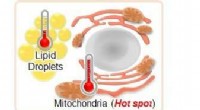
* Eukaryotes, on the other hand, are organisms whose cells have a nucleus and other membrane-bound organelles.
Examples of prokaryotes include bacteria and archaea.