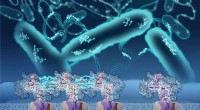
* Decoding mRNA: Ribosomes receive instructions from messenger RNA (mRNA), which carries the genetic code from DNA in the nucleus.
* Assembling amino acids: Ribosomes read the mRNA code and bring together specific amino acids in the correct order, based on the instructions.
* Building polypeptide chains: Ribosomes link the amino acids together, forming long chains called polypeptides.
* Creating proteins: Polypeptide chains fold into complex three-dimensional shapes, becoming functional proteins.
In essence, ribosomes are the protein factories of the cell. They are essential for all cellular functions, from building structural components to creating enzymes that catalyze chemical reactions.
Here are some key points about ribosomes:
* Location: Ribosomes can be found free-floating in the cytoplasm or attached to the endoplasmic reticulum (ER).
* Structure: Ribosomes are composed of two subunits: a large subunit and a small subunit.
* Types: There are two main types of ribosomes:
* Cytoplasmic ribosomes: Synthesize proteins that function within the cytoplasm.
* ER-bound ribosomes: Synthesize proteins that are destined for export from the cell or insertion into cellular membranes.
* Essential for life: Ribosomes are vital for all living organisms, from bacteria to humans.
In summary, ribosomes are complex molecular machines that play a vital role in protein synthesis, which is fundamental to all life processes.