1. All living things:
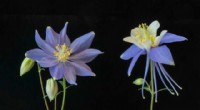
* Plants: From towering trees to microscopic algae, plants form the base of most food chains.
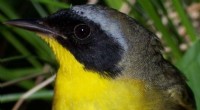
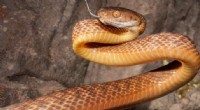
* Animals: From tiny insects to massive whales, animals play diverse roles in ecosystems.
* Fungi: Decomposers that break down dead organisms and release nutrients back into the environment.
* Bacteria: Microscopic organisms vital for many processes, such as nitrogen fixation and decomposition.
* Protists: A diverse group of single-celled organisms that include algae and protozoa.
2. Their physical environments:
* Atmosphere: The layer of gases surrounding the Earth, providing oxygen and protecting us from harmful radiation.
* Hydrosphere: All the water on Earth, including oceans, lakes, rivers, and groundwater.
* Lithosphere: The Earth's crust and upper mantle, providing the solid foundation for life and containing essential minerals.
3. Interactions between living things and their environment:
* Ecosystems: Communities of interacting organisms and their physical environment. Examples include forests, grasslands, oceans, and deserts.
* Biogeochemical cycles: The flow of matter, such as carbon, nitrogen, and phosphorus, through living organisms and the environment.
* Climate: The long-term weather patterns that influence the distribution and survival of organisms.
In essence, the biosphere is a complex and interconnected system that sustains all life on Earth.